A Magical Land of Fantastical Vegetation and Snow Capped Peaks
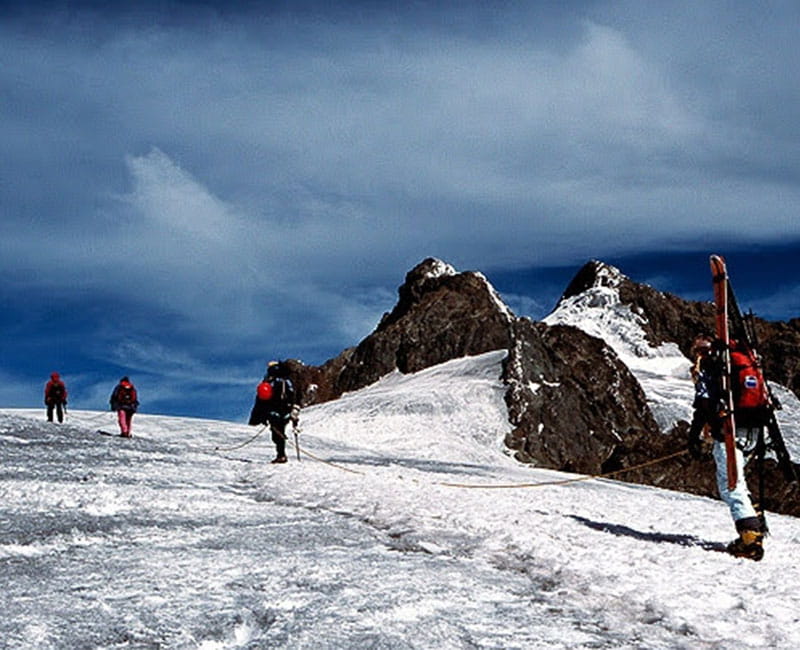
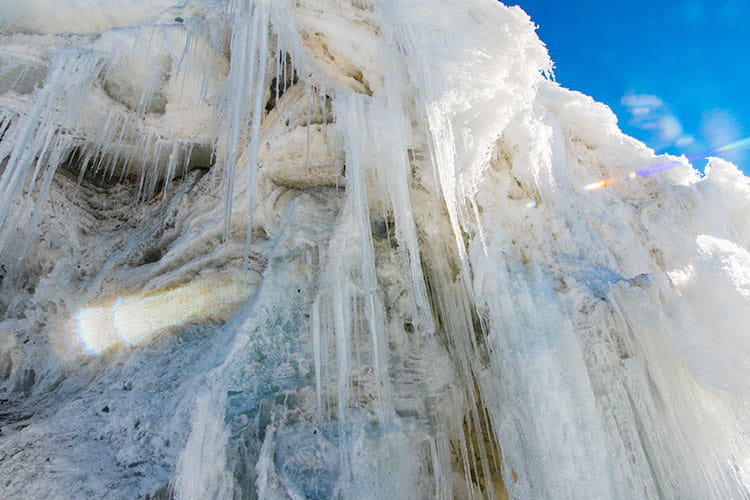
Often called the “Mountains of the Moon,” Rwenzori Mountains National Park is one of Africa’s most extraordinary natural wonders. This UNESCO World Heritage Site is renowned for its snow capped peaks, ancient glaciers, crystal clear lakes, cascading waterfalls, and giant alpine vegetation that create landscapes unlike anywhere else on the continent. Rising along Uganda’s western border, the mountain range is home to Margherita Peak, the country’s highest point at 5,109 metres above sea level.
Beyond its breathtaking scenery, the park protects a remarkable variety of wildlife, including chimpanzees, forest elephants, blue monkeys, black and white colobus monkeys, and more than 200 bird species.
Activities at Rwenzori Mountains National Park
Rwenzori Mountains National Park offers exciting outdoor activities that allow visitors to experience its breathtaking mountains, unique ecosystems, and remarkable biodiversity. Whether you're seeking adventure or peaceful nature experiences, the park has something for every traveller.
Mountain Climbing
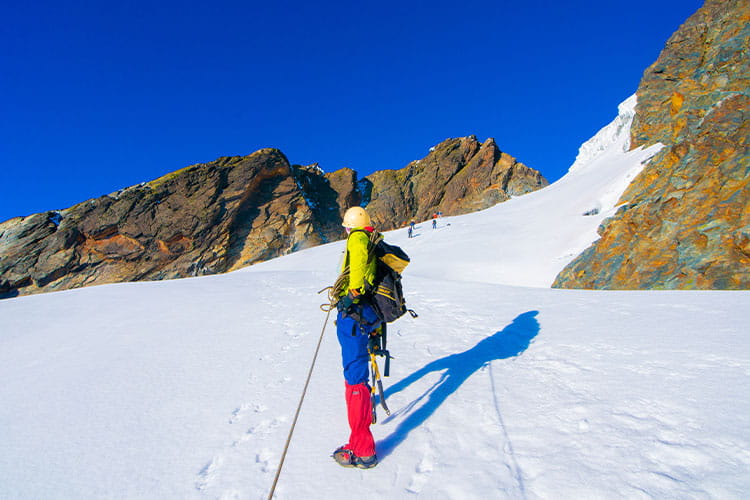
Challenge yourself to reach Margherita Peak while crossing glaciers, rocky ridges, alpine valleys, and breathtaking mountain landscapes on an unforgettable high altitude adventure.
Nature Walks
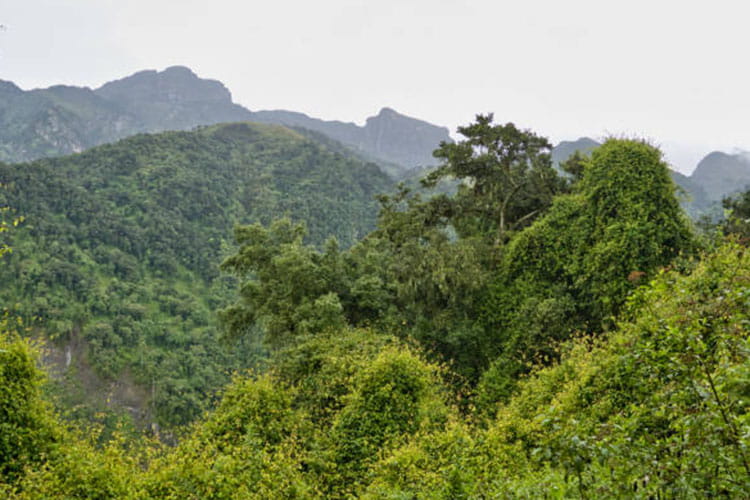
Enjoy guided walks through the lower slopes while discovering waterfalls, lush forests, unique vegetation, colourful butterflies, and spectacular mountain scenery along the trails.
Bird Watching
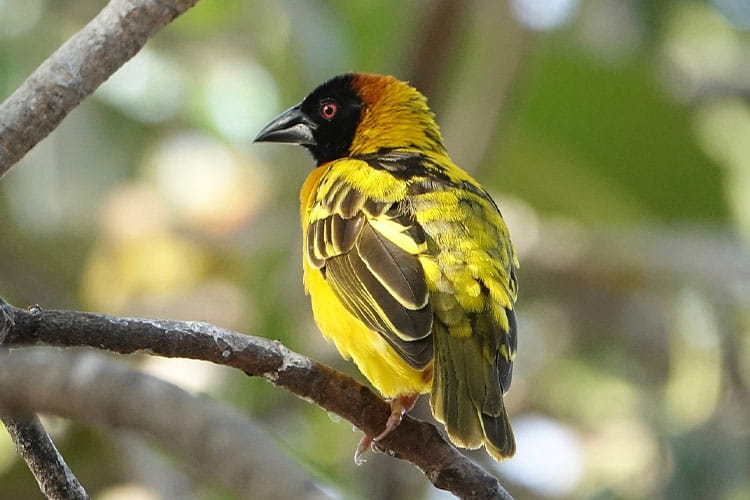
Home to more than 350 bird species, including several rare Albertine Rift endemics. Guided birding walks offer excellent opportunities for both experienced birders and beginners
Cultural Experiences
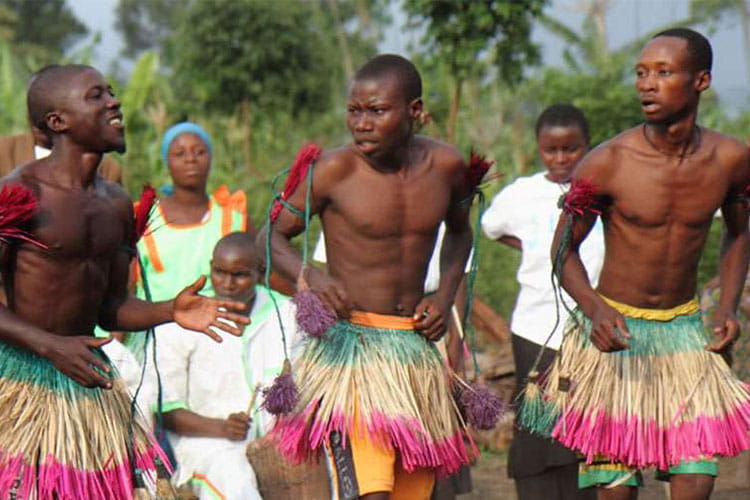
Visit nearby Bakonzo communities to experience traditional dances, local customs, storytelling, handcrafted souvenirs, and the rich heritage of the mountain people.
Photography
Capture snow capped peaks, glaciers, waterfalls, giant lobelias, alpine vegetation, and dramatic mountain scenery throughout your journey across the Rwenzori range.
Camping
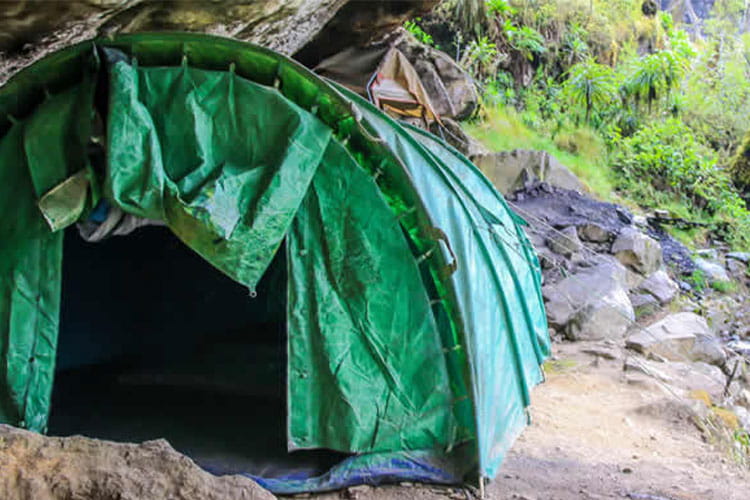
Spend the night in mountain camps surrounded by spectacular scenery while enjoying peaceful evenings beneath towering peaks and unforgettable wilderness landscapes.
The Unique Vegetation Zones
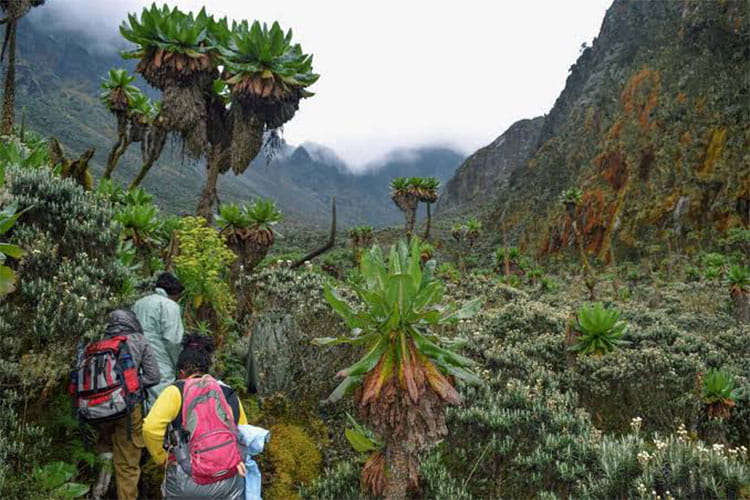
One of the most remarkable features of Rwenzori Mountains National Park is its extraordinary range of vegetation zones. As visitors ascend the mountains, the landscape changes dramatically from tropical rainforest and bamboo forests to giant heather, Afro alpine moorland, rocky ridges, glacial valleys, and snow capped peaks. Few mountain ranges in the world offer such a dramatic transition between ecosystems within a single trek.
The famous Afro alpine zone is particularly striking, with giant lobelias, giant groundsels, moss covered rocks, and rare flowering plants creating an almost otherworldly landscape. This incredible diversity of habitats makes every stage of the journey unique while supporting an exceptional variety of wildlife and plant species.
Rwenzori Travel Information
Best Time to Visit
Rwenzori Mountains National Park can be visited throughout the year, but the drier months from June to August and December to February generally provide the best trekking conditions. During these periods, trails are less slippery, mountain views are often clearer, and climbing conditions are more favourable for both short hikes and summit expeditions.
Trekking Routes
The park offers several trekking routes to suit different levels of experience and adventure. The Central Circuit Trail is the most popular route to Margherita Peak, while the Kilembe Trail provides a quieter alternative with spectacular scenery, waterfalls, and diverse vegetation. Short nature walks are also available for visitors who prefer a less demanding mountain experience.
Trekking Difficulty
Climbing the Rwenzori Mountains is physically demanding due to the high altitude, steep terrain, and changing weather conditions. While summit climbs require good fitness and determination, shorter guided hikes are available for beginners and visitors who simply want to experience the beauty of the mountains.
What to Pack
Visitors should pack waterproof hiking boots, warm clothing, a waterproof jacket, gloves, a hat, sunscreen, sunglasses, trekking poles, and a comfortable backpack. Layered clothing is highly recommended, as temperatures can change significantly between the lower forests and the mountain peaks.
Where to Stay
Accommodation ranges from comfortable lodges near the park in Kasese and Ruboni to mountain huts used during multi day treks. Whether you’re planning a short visit or a summit expedition, there are accommodation options suitable for different budgets and travel styles.